The Crafted Edits
Why Fabric Is Always the Conversation I Enjoy Most
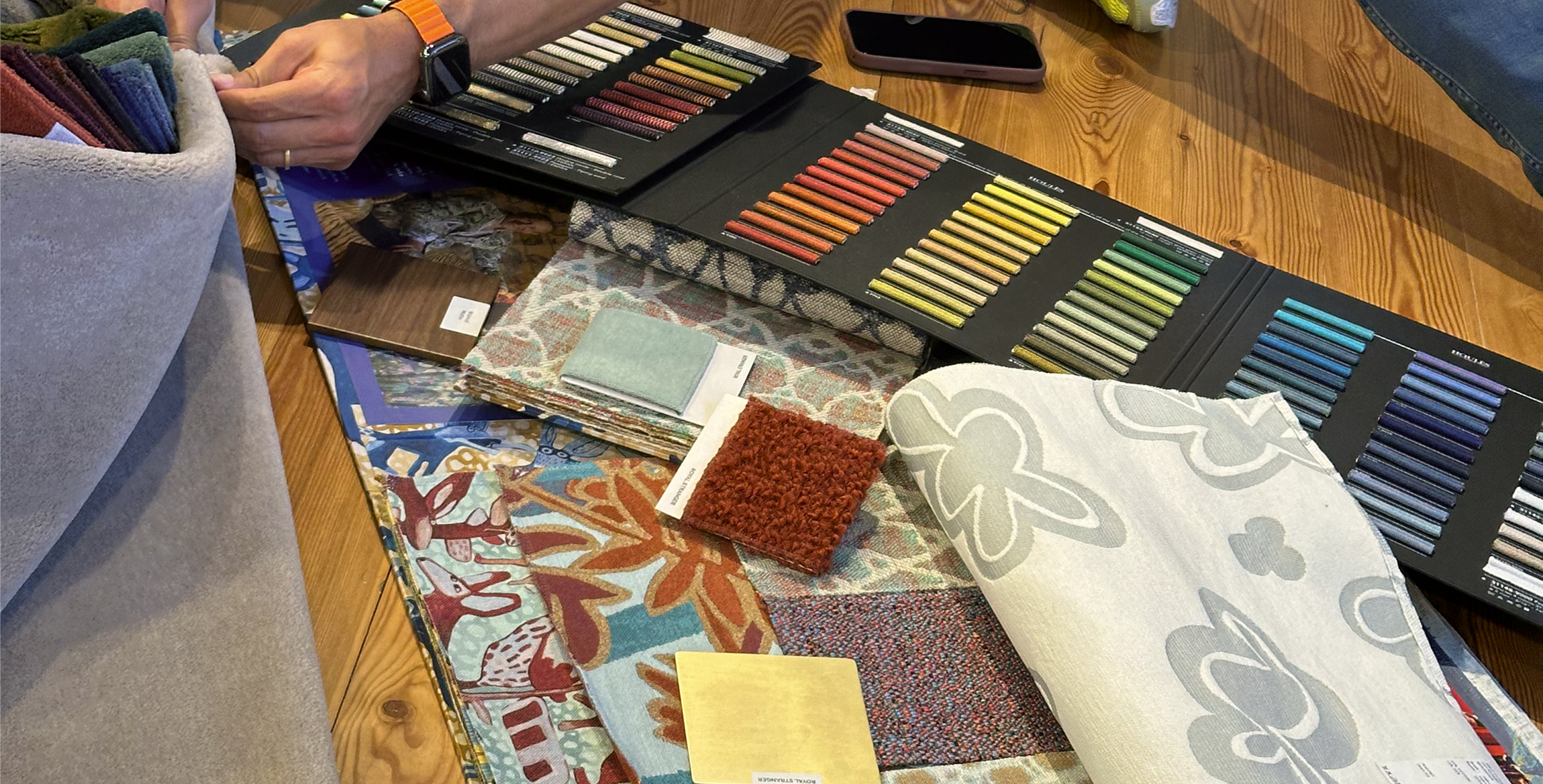
There is a question I get asked more than almost any other: how do I choose the fabric?
And the honest answer is that it is never just one thing.
Fabric sits at the intersection of everything. How a piece looks, yes, but also how it feels in the hand, how it performs in everyday life, how it ages, and how it behaves in different environments. These are not purely aesthetic decisions. They are material decisions, and they are always at the center of how I approach both collection pieces and COM projects.
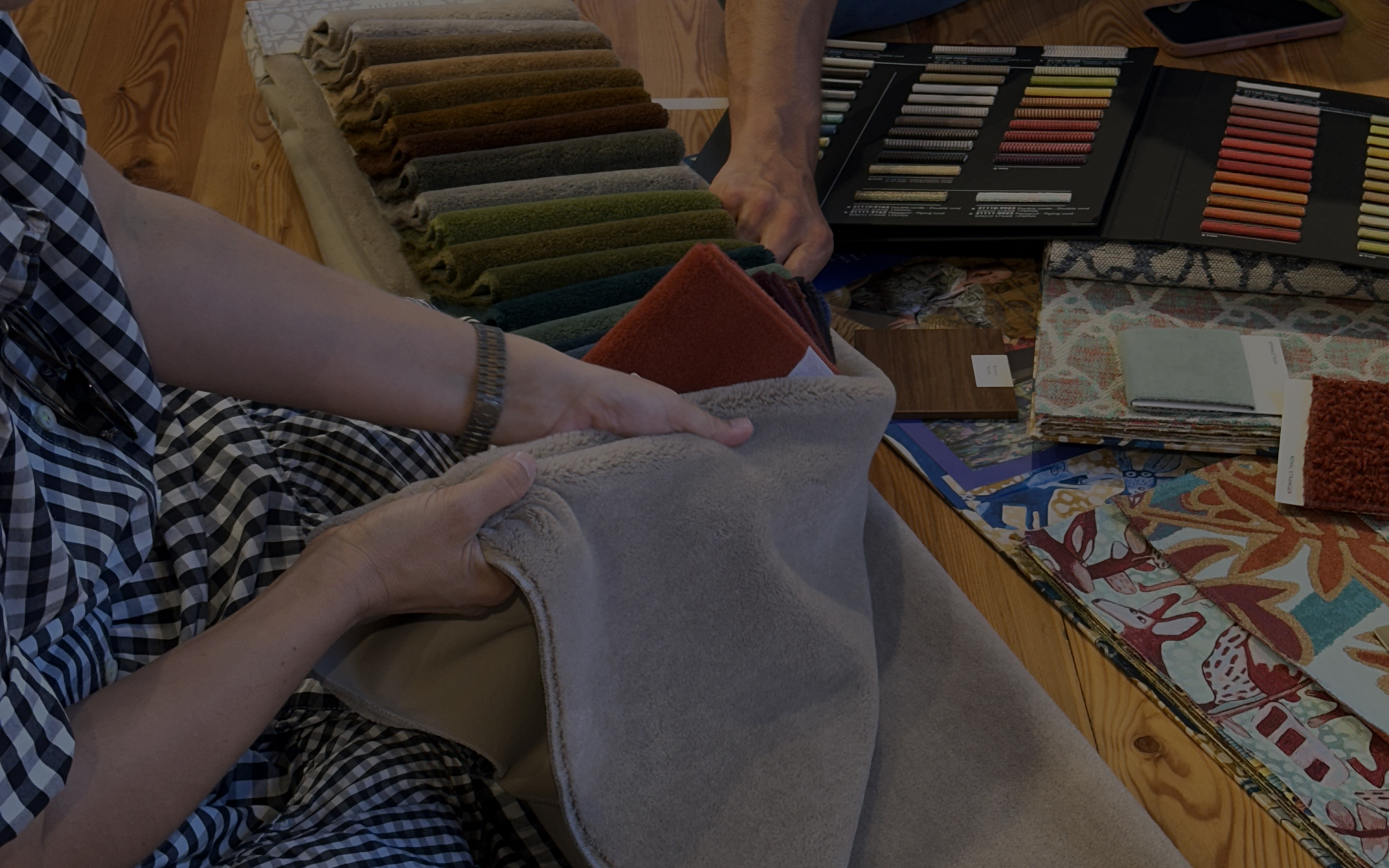
When I select fabrics for a Royal Stranger piece, I always start with form. Each design has its own logic, and the upholstery either supports that logic or weakens it.
A sculptural armchair with a tight silhouette needs a fabric that follows the structure precisely, almost like a second skin. A softer lounge piece needs something that invites contact and brings warmth from across the room. The fabric is never neutral in this relationship. It either clarifies the design or dilutes it.
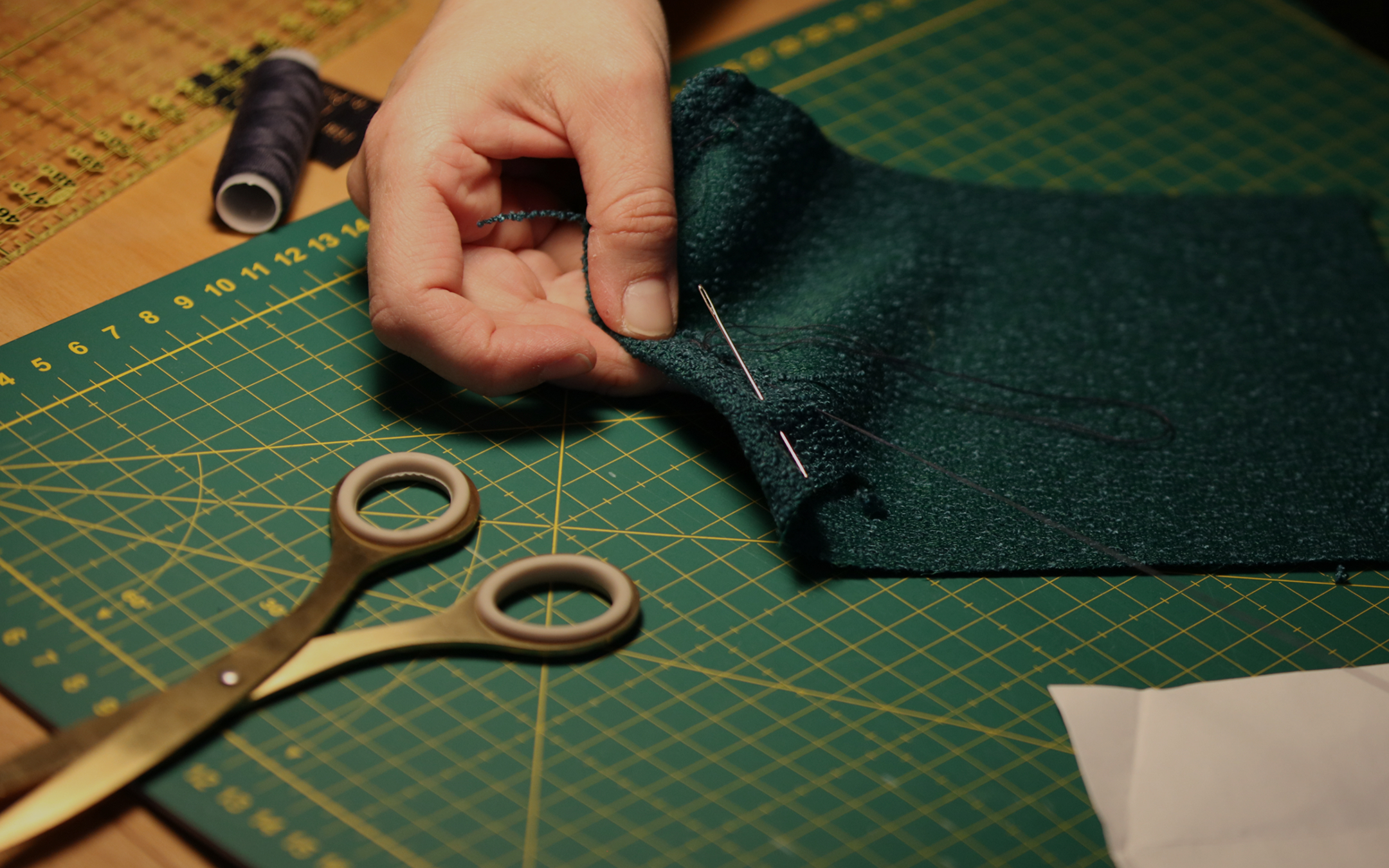
Bouclé is a material I return to often. Its looped surface adds tactility and warmth, and it reacts subtly to light, shifting in tone and depth throughout the day. I look for bouclés that maintain their structure over time and resist flattening or pilling. The right one evolves with use rather than losing its character.
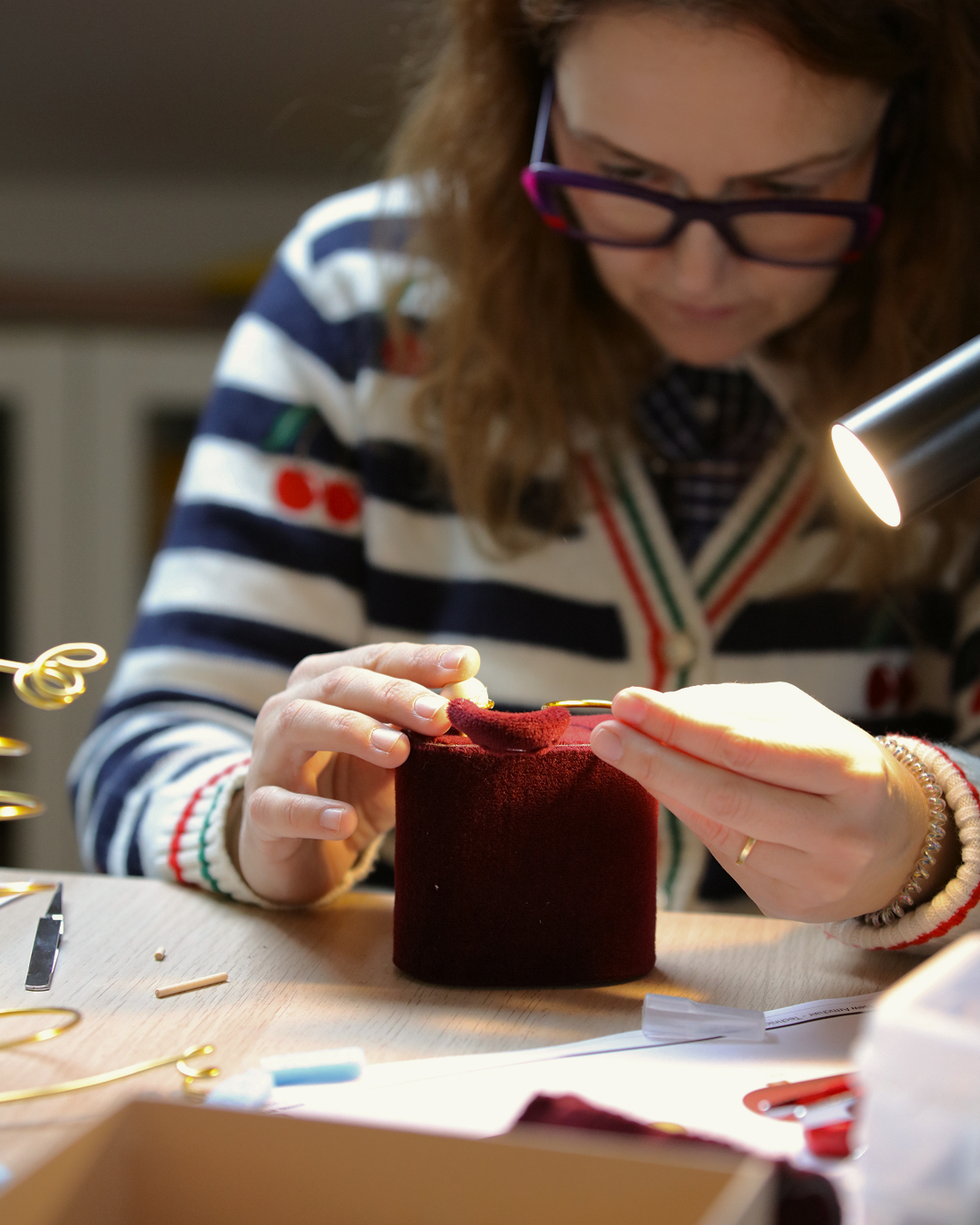
Velvet, especially performance velvet, is what I choose when I want depth and presence. It has a visual density that changes with light. In direct sunlight it feels architectural and rich. In softer light it becomes more atmospheric and quiet. That ability to shift makes it one of the most expressive upholstery materials I work with.
Textured weaves are for pieces that reveal themselves slowly. They create movement through shadow and structure, rewarding proximity and attention. They slow down perception, which is something I value in interiors.
Elasticated fabrics are the most technical choice and often the least visible in the final result. On complex forms they allow the upholstery to follow structure precisely so the fabric feels integrated rather than placed on top of it. When it works well, it disappears completely, which is exactly the intention.
Colour Is Not a Separate Decision
Colour and fabric are never separate steps in my process.
The same colour behaves completely differently depending on the material. A dusty rose in velvet feels deep, directional and expressive. In bouclé it becomes softer, warmer and more relaxed. Texture fundamentally changes perception and I never make one decision without the other.
Within the collection I work with a palette that moves between quiet neutrals and more expressive tones. Neither end is more important. What matters is intention and how the combination of colour and material supports the personality of the piece and the space it will live in.
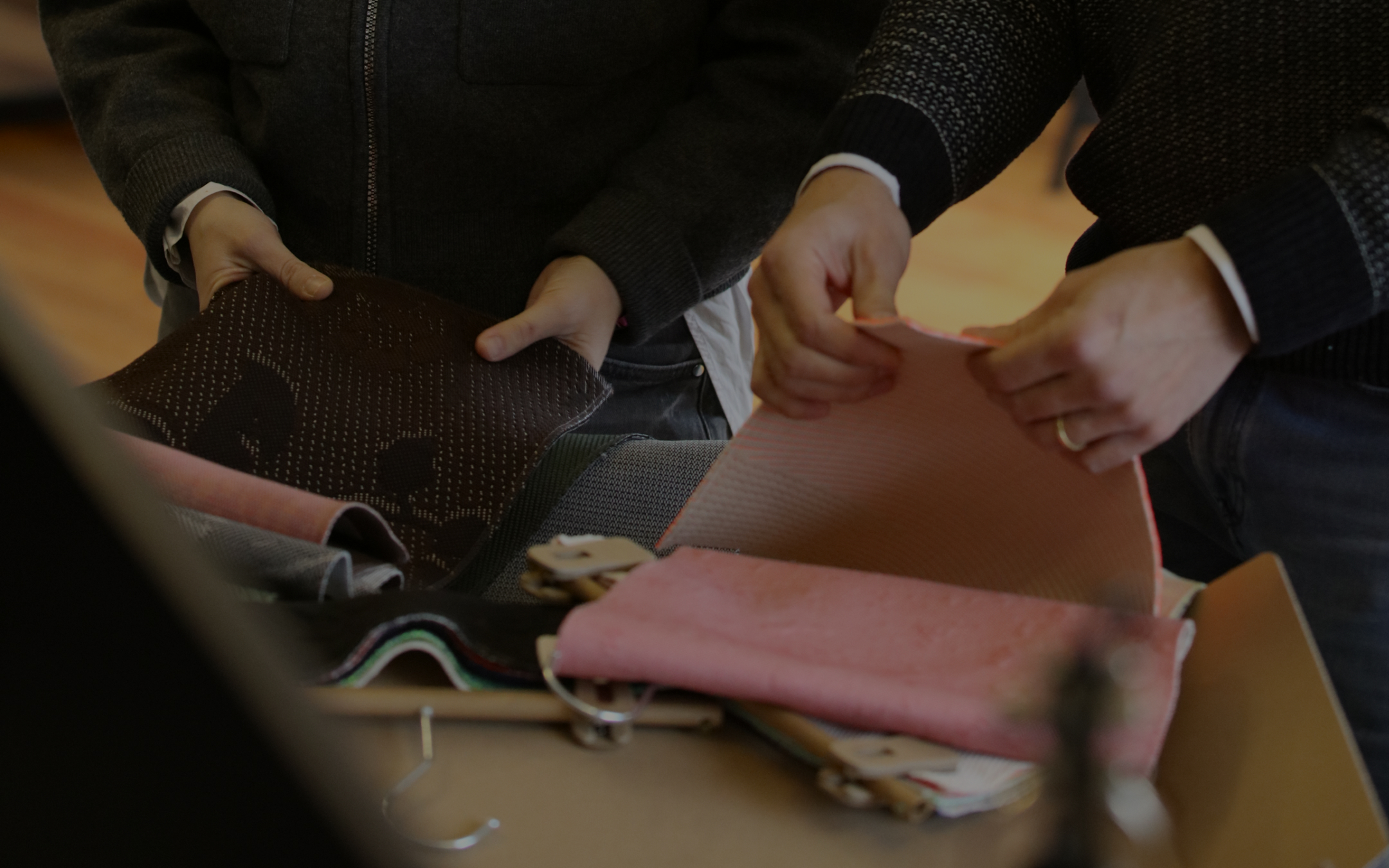
COM projects are some of the most interesting conversations I have.
Designers and architects often come with a fabric already chosen for a specific project. My role is to ensure that material can truly perform on the chosen piece.
Fabric weight affects how upholstery sits on structure. Stretch affects how a form reads visually. Weave direction can determine whether a texture feels continuous or fragmented. These details are technical, but they define the outcome.
Sometimes we refine the specification. Sometimes we adjust the piece. Sometimes everything aligns immediately. My approach is always the same, clarity about what the material can and cannot do so decisions are made with confidence rather than assumption.
Fabric for Family Spaces
Family and children’s spaces require a different set of priorities.
Here I focus on high performance cottons and blends that combine softness with durability and safety. Washability, colour fastness and abrasion resistance are essential. Comfort against skin is equally important because these pieces are lived with closely and constantly.
What has changed is that this no longer feels like a compromise. Performance fabrics now offer a wide aesthetic range, with colours and textures that sit comfortably within contemporary interiors. It is simply a different brief and one that I find particularly rewarding.
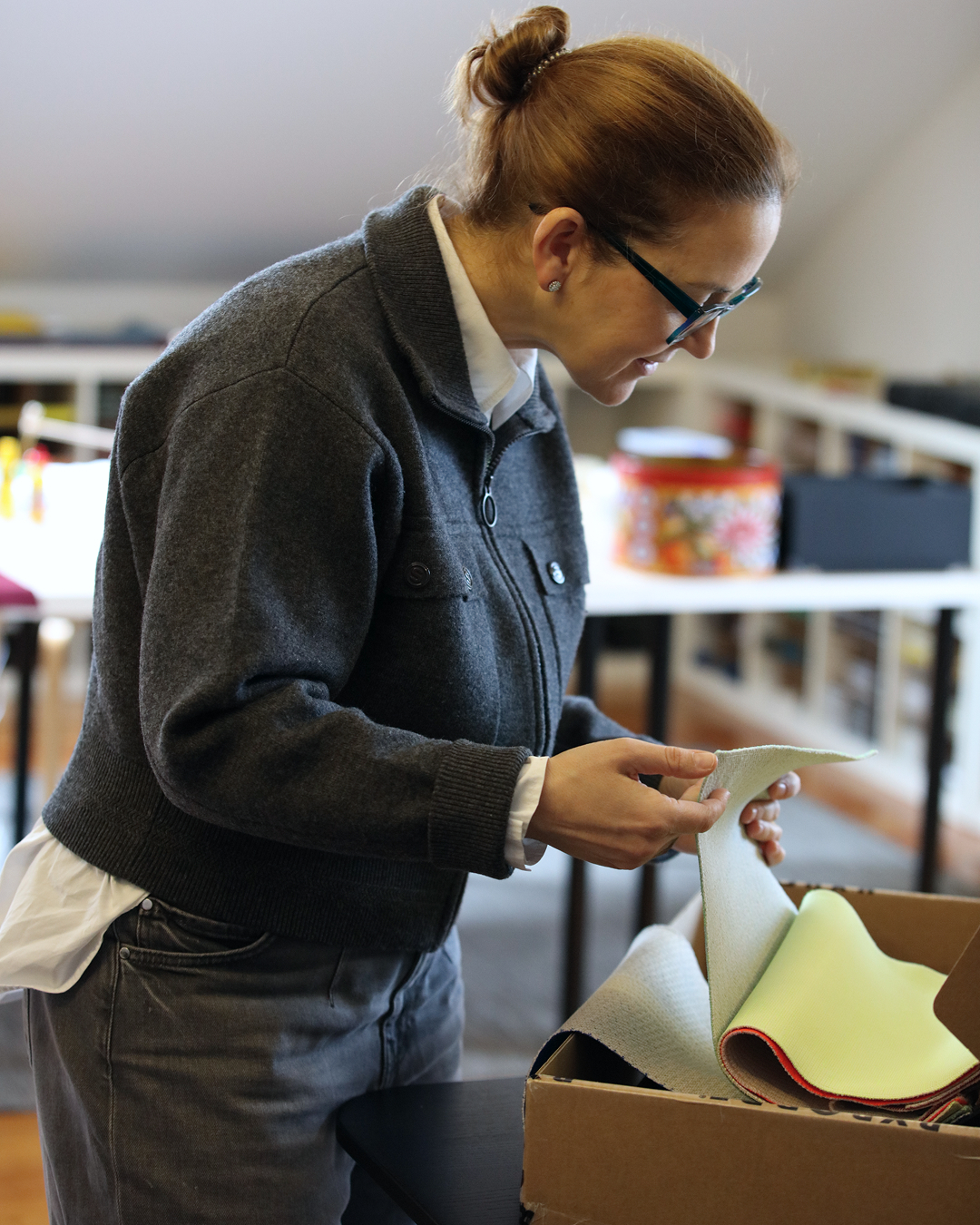
There is a clear shift towards texture.
Surfaces with physical presence are being chosen more intentionally, often as focal points rather than background elements.
Colour choices are also becoming more confident. Not necessarily louder, but more deliberate. Deep sage, warm terracotta, softened near blacks that still read as colour rather than absence.
And I notice something consistent. The more time people spend with fabric samples in real light and real spaces, the clearer those decisions become.
“Which is why I always return to the same point. Come and touch it first.”