The Crafted Edits
The Value of the Strange

On beauty, tension, and the courage to resist the obvious I have never trusted beauty that reveals itself too quickly.
I have never trusted beauty that reveals itself too quickly.
The kind that explains itself at first glance.
The kind that settles easily into a room, polite and agreeable.
That beauty rarely stays.
What stays is something else.
A hesitation.
A pause.
A moment of quiet discomfort that asks you to look again.
At Royal Stranger, we design for that moment.
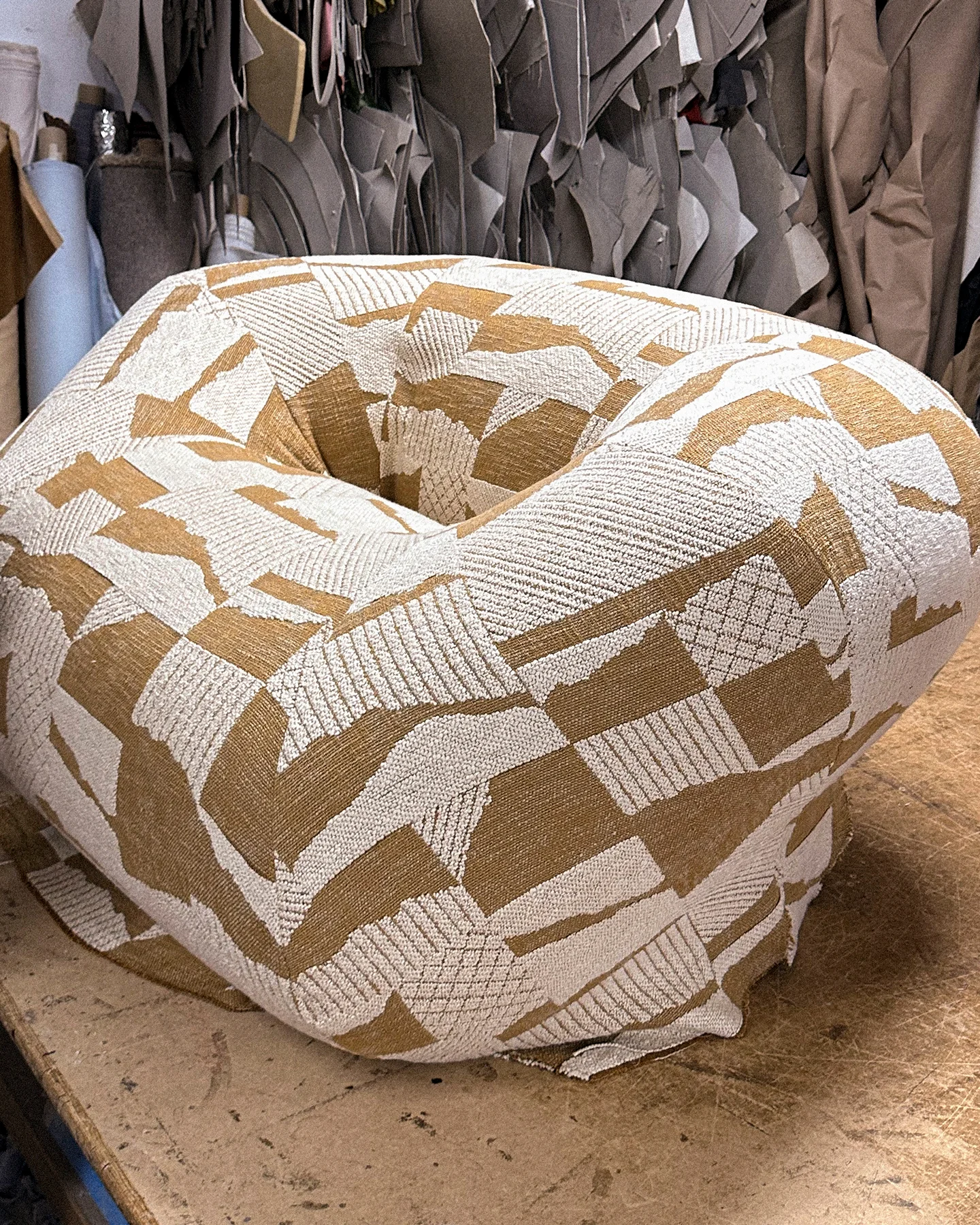
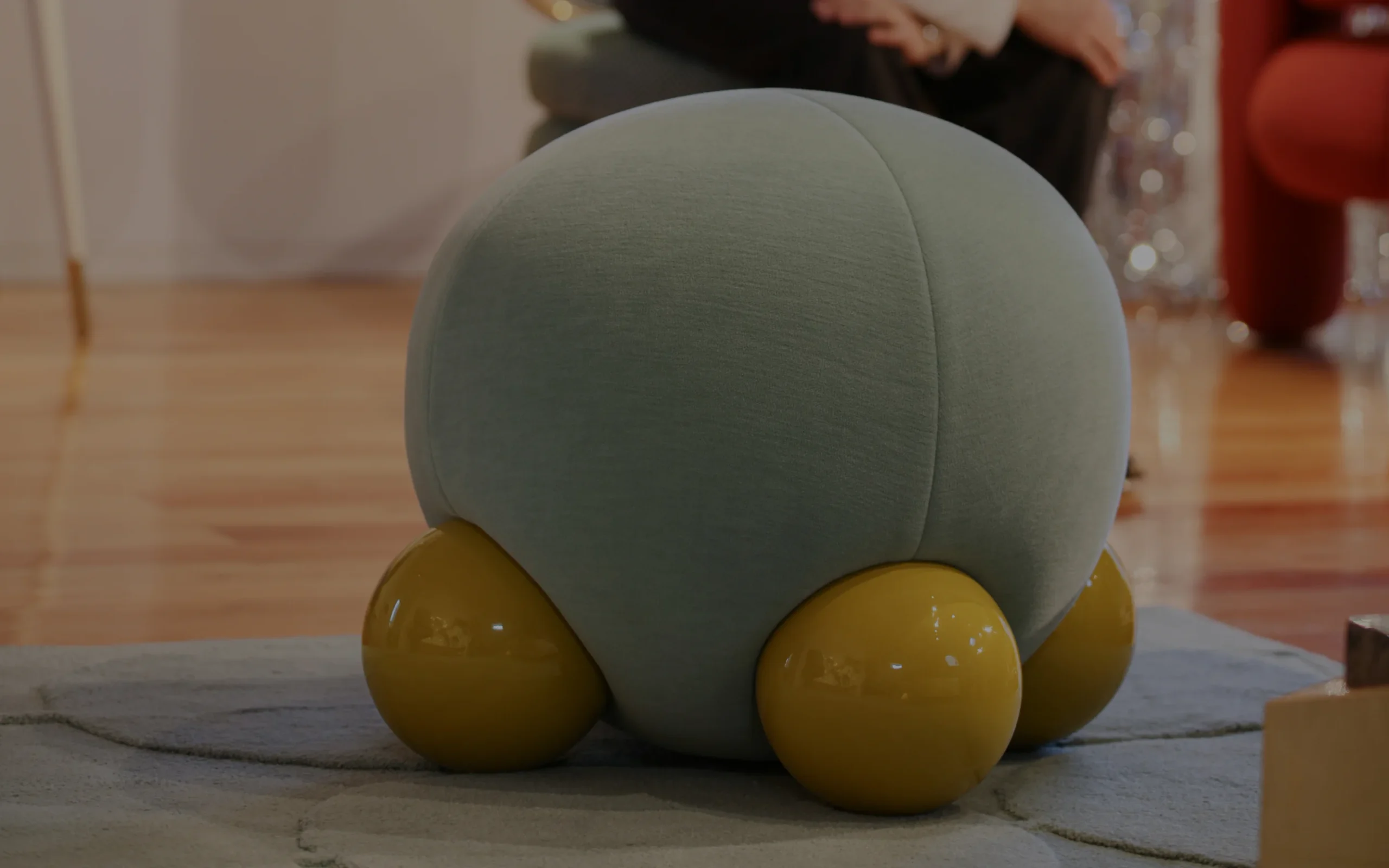
Strangeness is not provocation for its own sake. It is a controlled deviation, a deliberate shift in balance, proportion, or expectation.
A chair that leans just slightly away from symmetry. A volume that feels unfamiliar before it feels right. A detail that resists being understood immediately.
This is where elegance begins to deepen.
As architects, designers, creators, we know that the most memorable spaces are never neutral. They carry tension. They hold contradictions. They balance softness with rigor, comfort with resistance. A room that feels too resolved leaves no trace. A room that challenges you, gently, intelligently, stays with you.
Furniture plays a crucial role in this dialogue.
When a piece refuses to behave purely as background, it becomes a character. It alters the rhythm of the space. It creates conversation, not only between people, but between body and object, eye and material, intuition and logic.
In our process, asymmetry is not an accident. It is a choice.
Proportions are not fixed formulas. They are emotional calibrations.
Discomfort is not a flaw. It is a tool.
A subtle one.
I often think of architecture as the art of silence, of what is not said but felt. Furniture, however, is allowed to speak. To interrupt. To whisper something strange into an otherwise composed environment. That whisper is powerful. It signals confidence. It tells the observer that every decision was intentional.
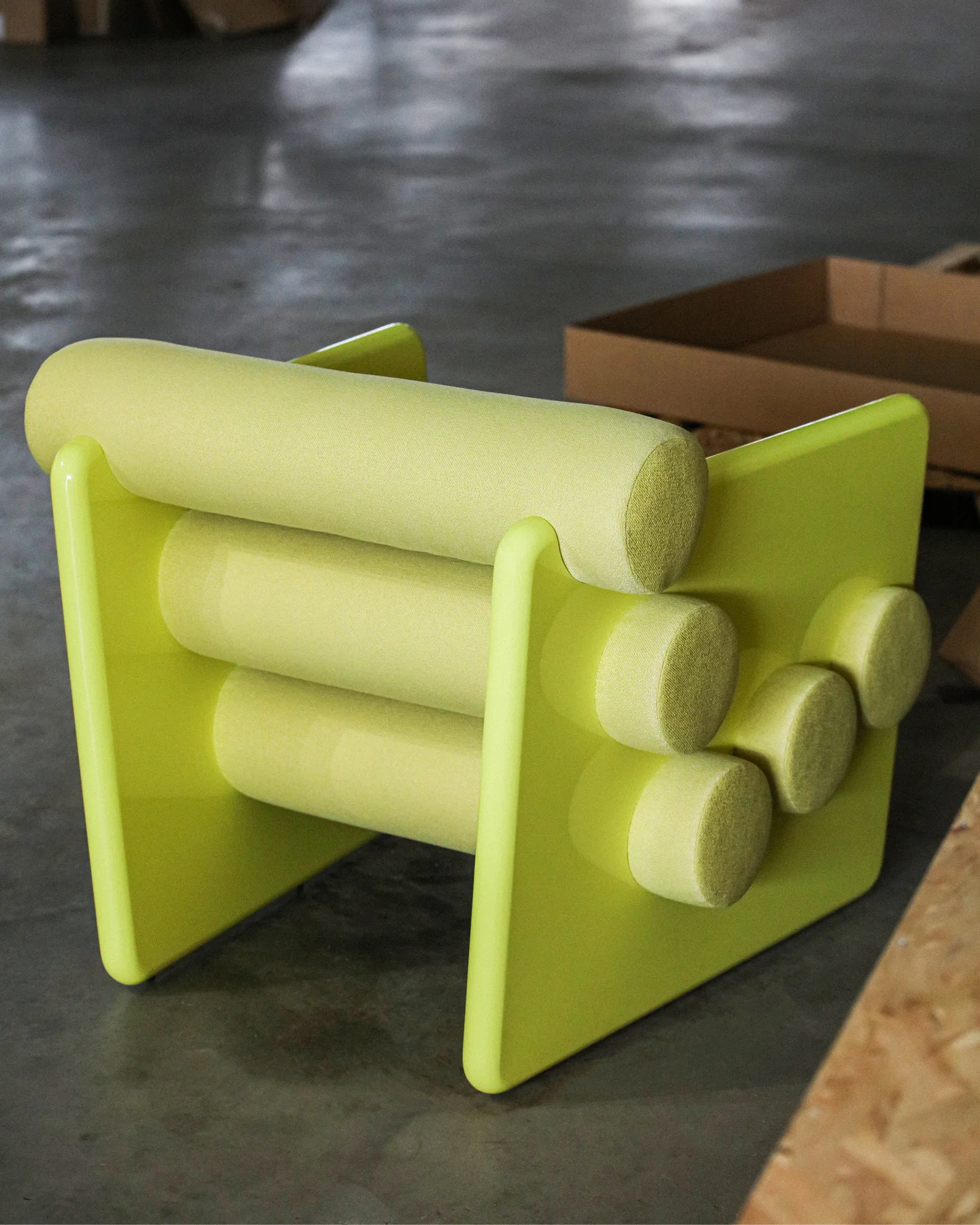
Luxury today is no longer about perfection. It is about discernment.
About choosing pieces that are not universally pleasing, but deeply meaningful. Objects that do not chase trends, but cultivate presence. Furniture that asks something of the space and of the people who inhabit it.
For architects and interior designers working in the realm of the uncommon, this kind of design is not a risk. It is a language. A way of signalling authorship, depth, and vision.
Royal Stranger was born from this belief.
That beauty can be slightly uncomfortable.
That elegance can be strange.
And that the objects we live with should never be silent spectators.
They should participate.
They should question.
They should stay.